
Featured
USDA Suspends Scholarship Program At HBCUs While Sports Commissioners Sound Alarm

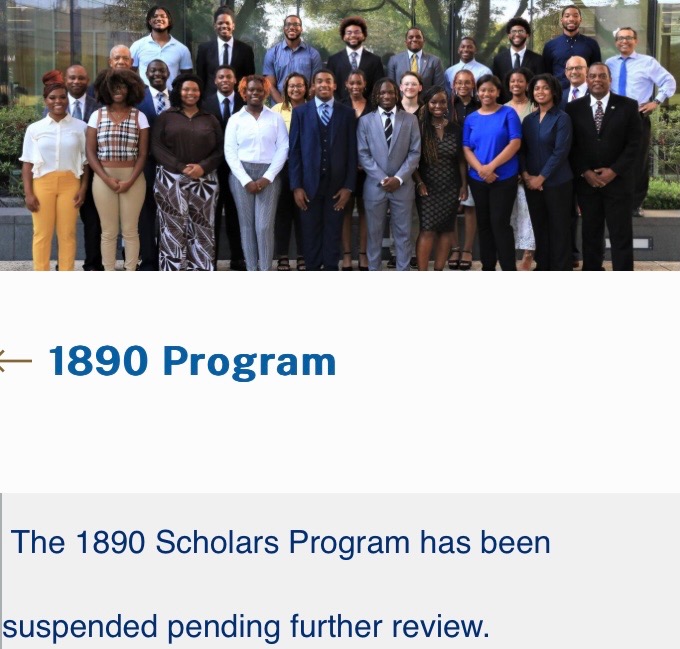
The USDA has suspended its 1890 Scholars Program which awarded scholarships to students at 1890 Land-Grant Institutions, which are historically Black colleges and universities that focus on agricultural education. They were created by segregated states after the second Morrill Act made funding for land-grants available only to states that allowed students of all races to access admissions.
“The 1890 Program was one for agriculture and related sciences, and I was in the related sciences – computer science,” explained Larissa Bryant, an 1890 Scholar who graduated from Tennessee State University in 2006.
According to the USDA website, the program has been “suspended pending further review.”
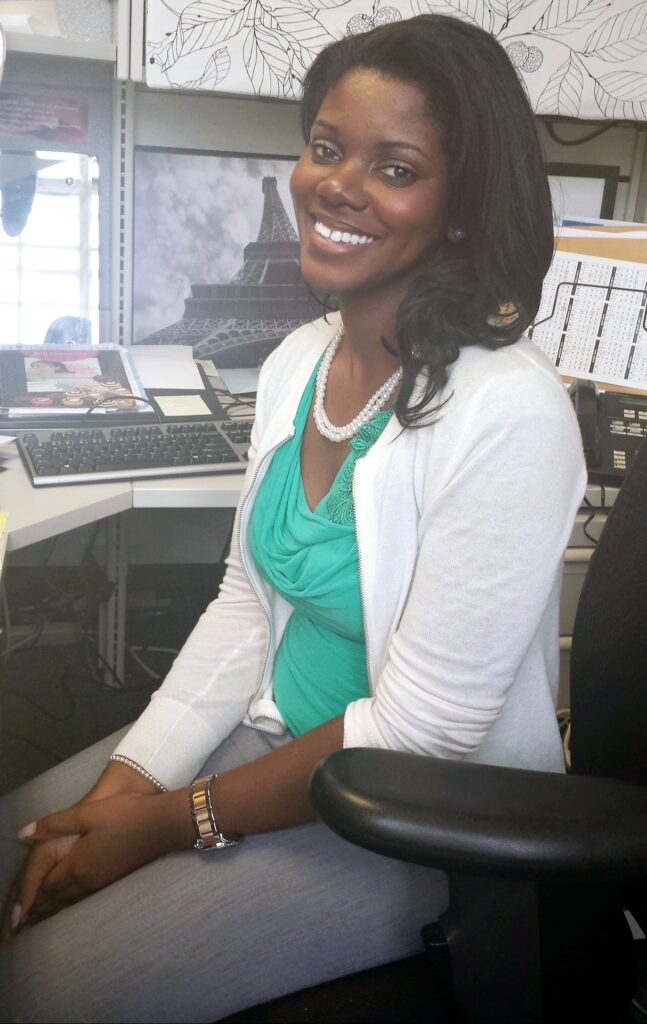
When Bryant heard about the decision to suspend the scholarship program, she was “saddened” for her friends who still work for USDA. Bryant left the department in 2014 but credits the opportunity with giving her career a significant boost.
“Being a scholar, you were basically able to start working right out of high school,” Bryant recalled. “Within a month after high school graduation, I was put on a plane and flown to Washington, D.C., where I was able to gain corporate experience right off the bat.”
President Trump’s executive order calling for an end to “DEI policies” including Black History Month celebrations at federal institutions has generated a fierce backlash. Late Friday, a federal judge blocked sweeping executive orders from Trump that seek to end government support for programs promoting diversity, equity and inclusion.
Bryant said, “Considering the 1890 program was built to have young and fresh talent brought into the government, and that’s what the government struggled with, I think it’s doing the government an injustice as well as all of the people who’ve had a part in it. It feels like we’re being targeted, and even though we’re the target, it’s going to hurt the whole picture.”
Sports at HBCUs
The Commissioners of four Historically Black Colleges and Universities have contacted the Congressional Black Caucus to register their growing alarm over the Trump administration’s rapid dismantling of legislation created to address longstanding disparities in education, employment and other opportunities.
According to the letter, the specific concern is focused on the idea that college athletes will become employees of the institutions where they are enrolled, increasing the payroll of HBCUs at a time when federal budget cuts are all but assured. A few weeks ago, Trump signed an executive order freezing federal funds that Congress had already approved. Two federal judges halted Trump’s freeze, but at HBCUs and other academic institutions, there is deep uncertainty, and administrators are looking for ways to prepare for impending cuts.
“To ensure that college sports broadly –and HBCU sports especially – can continue to thrive, it’s essential that Congress allow for consistent and nimble national governance and affirm that student-athletes are not designated as employees of their universities,” the letter said.




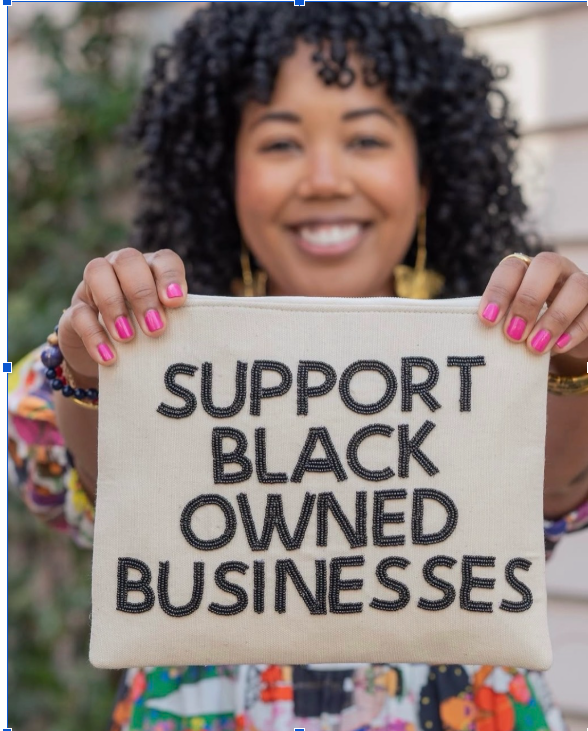
Thousands of Black-owned businesses know August holds a special place on the calendar for building brand awareness and increasing traffic. Since 2004, August has stood tall as Black-owned business month.
In Charleston, the owners of the boutique, Tiny Tassel, posted a discount on social media for customers, writing, “We’re celebrating in the best way possible by helping you save while supporting incredible Black-owned businesses across the Lowcountry!”
The African American Entrepreneurs Association used social media to remind members of its selection as the U.S. Small Business Association’s 2025 Community Partner of the Year. AAEA also repeated its commitment “to empowering entrepreneurs with the resources, education, connections, and advocacy they need to grow and thrive.”
Black-owned employer businesses, which have at least one employee, have moved the needle substantially the past six years to a milestone achievement.
According to the Brookings Institute, the number of Black-owned employer businesses increased 62% in 2023–a dramatic uptick compared to the overall rise of employer-businesses in the U.S., which was reported at 3.3%.
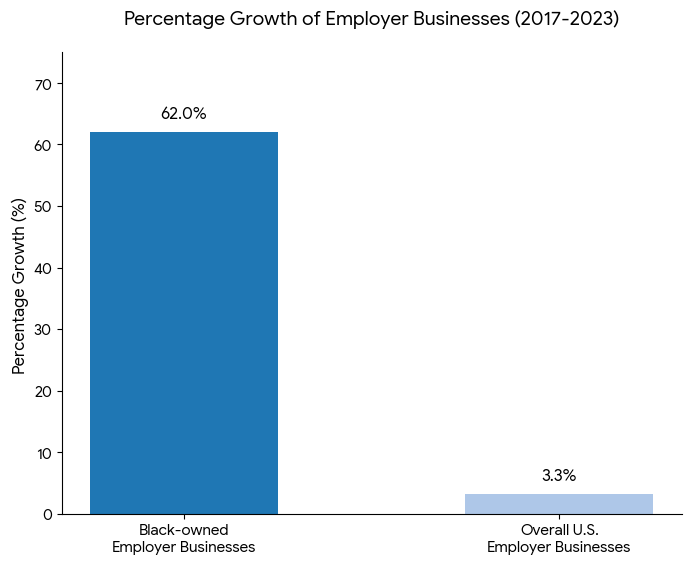
The COVID-19 pandemic dealt Black-owned businesses a crippling blow initially. But in the years since, new Black business creation has sparked a surge that topped pre-pandemic levels. Today, Black-owned businesses claim a little more than 3% of U.S. total businesses–up roughly from 2%.


On the 25th Anniversary of 9-11, America Remembers

Why Most Black Americans Think Nolan Wells’ Death and Two Recent Hangings Are Murder

August is Black-owned Business Month, and There’s Good News


-
 Black History7 years ago
The Idlewild Resort: Once the Largest, Most Successful Resort in the Midwest for Black People
-
 Black History8 years ago
Meet Sarah Boone, the Woman Who Patented the Ironing Board
-

 Black History6 years ago
Charles Baker: African American Inventor of Friction Heat
-
 Black History7 years ago
Auburn Avenue: The Richest “Negro Street in the World”
-
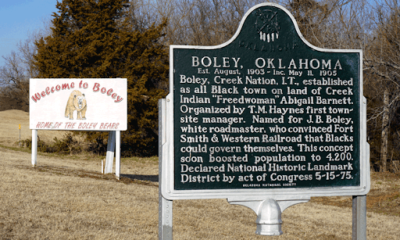
 Black History7 years ago
Boley, Oklahoma: One of the Last All-Black Towns Still Standing
-
 Black History8 years ago
Meet Elijah McCoy: The father of Lubrication, the Real McCoy
-

 Black History11 years ago
Ursula Burns, From Intern to CEO
-
 Black History6 years ago
Five Facts to Know About the Civil Rights Act of 1964 on its Anniversary