
Featured
A Timeline of the Tulsa Massacre Mass Graves Discovery on the 105th Commemoration


The spotlight returns to Tulsa this weekend, the 105th commemoration of the Race Massacre that decimated one of the nation’s most prominent displays of Black success. After a white mob swept through the area in 1921 burning and looting, hundreds were killed and even more fled the area. Some of the dead were buried in mass graves in the southwest corner of Tulsa’s Oaklawn Cemetery.
In 2019 – almost a century after the massacre – a ground penetrating radar survey detected the presence of remains. Months later in 2020, the City of Tulsa started physically digging for bodies and mass graves.
Since the initial 2020 dig, the city has led multiple rounds of archaeological excavations. The first mass grave containing the remains of multiple massacre victims was found in October 2020. A larger, full-scale excavation and exhumation process began in the “Original 18” site, which is connected to a newspaper article that reported 18 bodies were being held at funeral homes and would be transported to Oaklawn Cemetery because their loved ones had not claimed their bodies due to the chaos following the massacre. Many of the residents who survived were also placed in internment camps, leading to displacement and scrutiny from whites.
The most recent multi-week excavation wrapped up in November 2025, which led to the discovery of dozens of additional unmarked graves.

Historians recall the Greenwood district in 1921, also dubbed “Black Wall Street,” as an area with hundreds of Black-owned businesses, luxury hotels, theaters, and doctor’s offices. The area rose because economic discrimination created the need for independence, but the whites, who oversaw the system of oppression, became envious of the prosperity and sought to destroy the demonstration of collective determination.
Today, only one person is still alive who survived the massacre. Lessie Benningfield Randle is 111, and she continues to fight for justice and reparations for the victims and descendants of the residents of the Greenwood district.
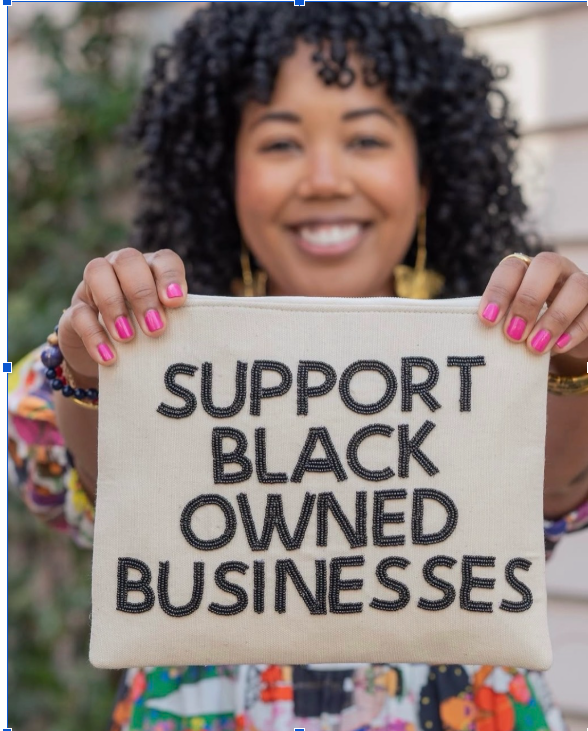
Thousands of Black-owned businesses know August holds a special place on the calendar for building brand awareness and increasing traffic. Since 2004, August has stood tall as Black-owned business month.
In Charleston, the owners of the boutique, Tiny Tassel, posted a discount on social media for customers, writing, “We’re celebrating in the best way possible by helping you save while supporting incredible Black-owned businesses across the Lowcountry!”
The African American Entrepreneurs Association used social media to remind members of its selection as the U.S. Small Business Association’s 2025 Community Partner of the Year. AAEA also repeated its commitment “to empowering entrepreneurs with the resources, education, connections, and advocacy they need to grow and thrive.”
Black-owned employer businesses, which have at least one employee, have moved the needle substantially the past six years to a milestone achievement.
According to the Brookings Institute, the number of Black-owned employer businesses increased 62% in 2023–a dramatic uptick compared to the overall rise of employer-businesses in the U.S., which was reported at 3.3%.
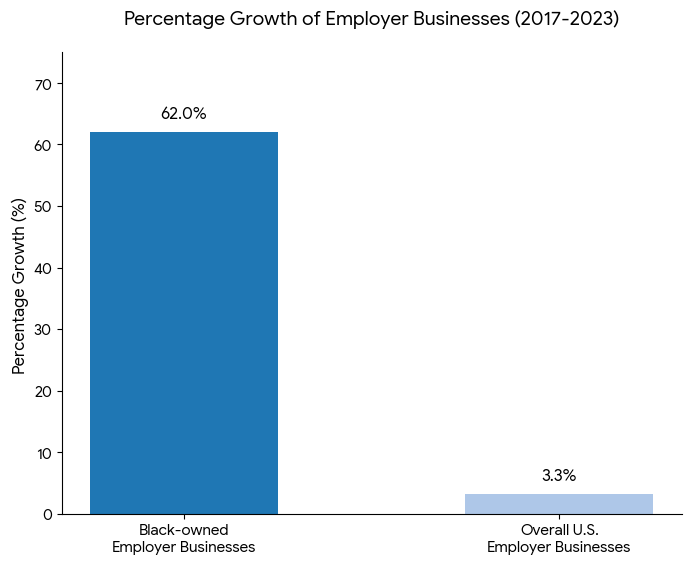
The COVID-19 pandemic dealt Black-owned businesses a crippling blow initially. But in the years since, new Black business creation has sparked a surge that topped pre-pandemic levels. Today, Black-owned businesses claim a little more than 3% of U.S. total businesses–up roughly from 2%.


On the 25th Anniversary of 9-11, America Remembers

Why Most Black Americans Think Nolan Wells’ Death and Two Recent Hangings Are Murder

August is Black-owned Business Month, and There’s Good News


-
 Black History7 years ago
The Idlewild Resort: Once the Largest, Most Successful Resort in the Midwest for Black People
-
 Black History8 years ago
Meet Sarah Boone, the Woman Who Patented the Ironing Board
-
 Black History6 years ago
Charles Baker: African American Inventor of Friction Heat
-
 Black History7 years ago
Auburn Avenue: The Richest “Negro Street in the World”
-
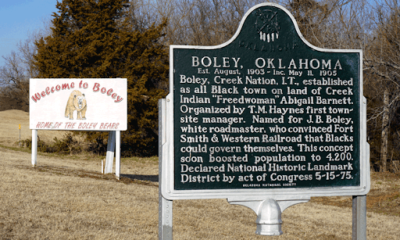
 Black History7 years ago
Boley, Oklahoma: One of the Last All-Black Towns Still Standing
-
 Black History8 years ago
Meet Elijah McCoy: The father of Lubrication, the Real McCoy
-

 Black History11 years ago
Ursula Burns, From Intern to CEO
-
 Black History6 years ago
Five Facts to Know About the Civil Rights Act of 1964 on its Anniversary