
Featured
Joy Reid Hosts Last Show As President Trump Criticizes Comcast, MSNBC’s Parent Company

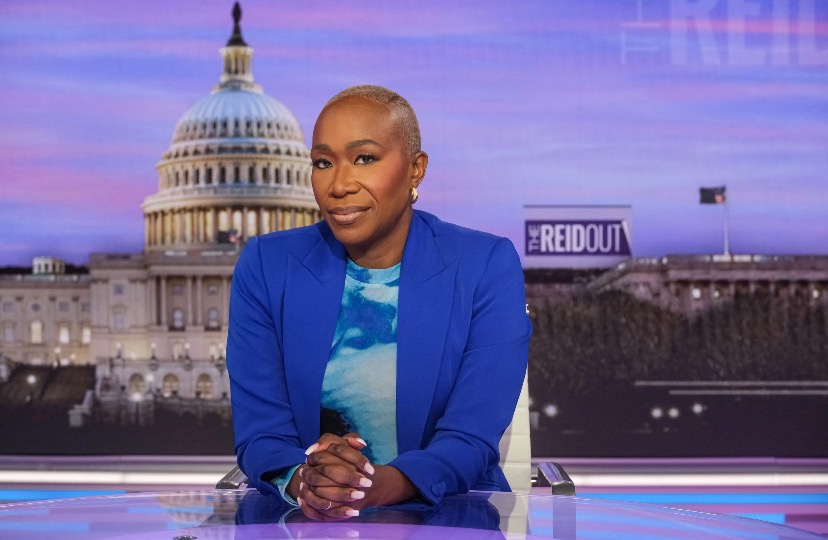
The names and faces of some of the most well-known Black voices at MSNBC and NBC News are changing almost as fast as President Donald Trump and Elon Musk are remaking the federal government.
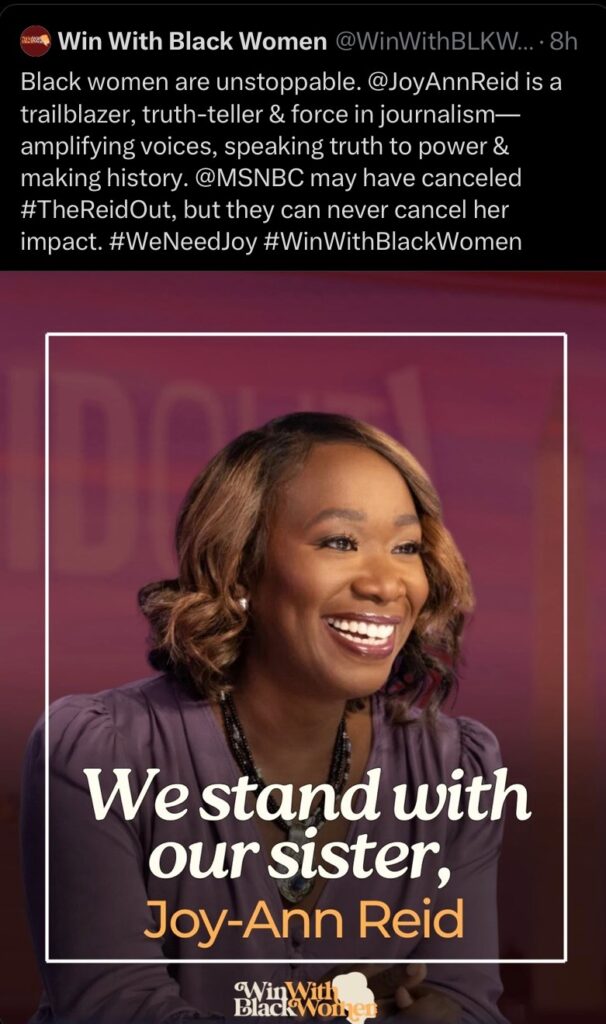
Joy Reid, one of Trump’s most ardent critics, hosted her final show Monday night on MSNBC, after learning over the weekend that her show was being canceled. Reid and her team found out the news through a media report followed by a hastily called meeting at the network.
On a call hosted by the organization, ‘Win With Black Women,’ Reid expressed her gratitude for the outpouring of support she had received. ‘Win With Black Women’ is most widely known for raising $1.5 million within hours after Kamala Harris announced her campaign for president.
“I’ve been through every emotion,” Reid said during a Zoom call with the group.
Rachel Maddow, who hosts MSNBC’s most popular show, choked back tears as she leveraged her goodwill and called out the network for its decision.
“I have had so many different kinds of jobs you wouldn’t believe me if I told you,” Maddow said. “There is no colleague for whom I have had more affection and more respect than Joy Reid. I love everything about her. I have learned so much from her. I have so much more to learn from her. I do not want to lose her as a colleague here at MSNBC, and personally, I think it is a bad mistake to let her walk out the door.”
Maddow pointed out that the two non-white hosts of shows in primetime – the most watched hours of the network’s programming – are losing their shows: Reid and Katie Fang, who anchors a weekend show. Maddow continued to outline the changes at MSNBC, saying dozens of people who work behind the scenes are “being put through the ringer.”
Industry insiders note the timing of Reid’s dismissal.
Last month, Rashida Jones – MSNBC president and the first Black woman to hold the job – stepped down from her position after four years, which was a major change as the cable network made moves to reverse its falling ratings after Trump’s election.
MSNBC and NBC are part of a NBCUniversal Group owned by Comcast Corporation. Comcast has been in Trump’s crosshairs. In a recent post on his platform, Truth Social, the 47th president mentioned Comcast president, Brian Roberts, twice by name.
Trump claimed, “The company is nothing but an illegal arm of the Democrat Party.They should be forced to pay vast sums of money for the damage they’ve done to our Country.”
The high-profile parade of exits from the industry continues with the announcement that Lester Holt will no longer anchor the ‘NBC Nightly News.’
After a decade at the desk, Holt said in a memo to staffers, “It has truly been the honor of a lifetime to work with each of you every day, keeping journalism as our true north and our viewers at the center of everything we do.”
Holt will remain at NBC and work full time on ‘Dateline NBC.’
Holt’s role change comes about a month after NBC’s Hoda Kotb left the ‘TODAY Show.’ She will also remain with NBC, but so far, her new role has not been made public.

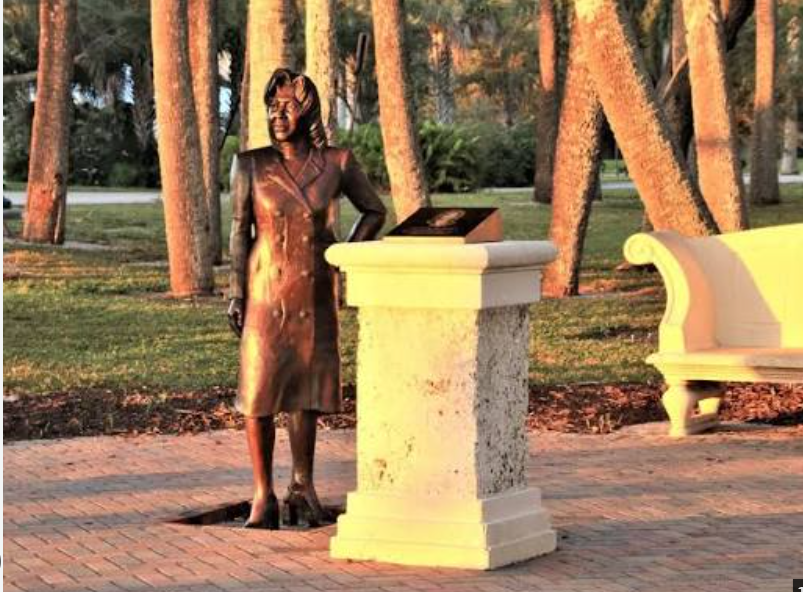
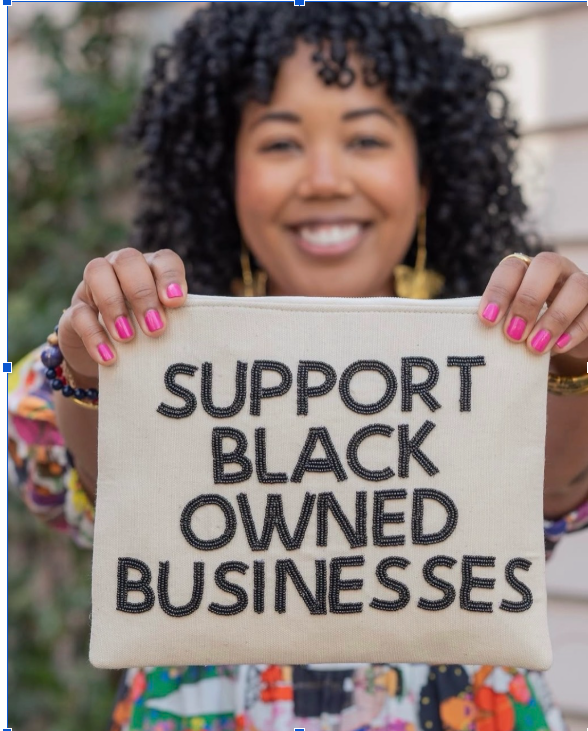
Thousands of Black-owned businesses know August holds a special place on the calendar for building brand awareness and increasing traffic. Since 2004, August has stood tall as Black-owned business month.
In Charleston, the owners of the boutique, Tiny Tassel, posted a discount on social media for customers, writing, “We’re celebrating in the best way possible by helping you save while supporting incredible Black-owned businesses across the Lowcountry!”
The African American Entrepreneurs Association used social media to remind members of its selection as the U.S. Small Business Association’s 2025 Community Partner of the Year. AAEA also repeated its commitment “to empowering entrepreneurs with the resources, education, connections, and advocacy they need to grow and thrive.”
Black-owned employer businesses, which have at least one employee, have moved the needle substantially the past six years to a milestone achievement.
According to the Brookings Institute, the number of Black-owned employer businesses increased 62% in 2023–a dramatic uptick compared to the overall rise of employer-businesses in the U.S., which was reported at 3.3%.
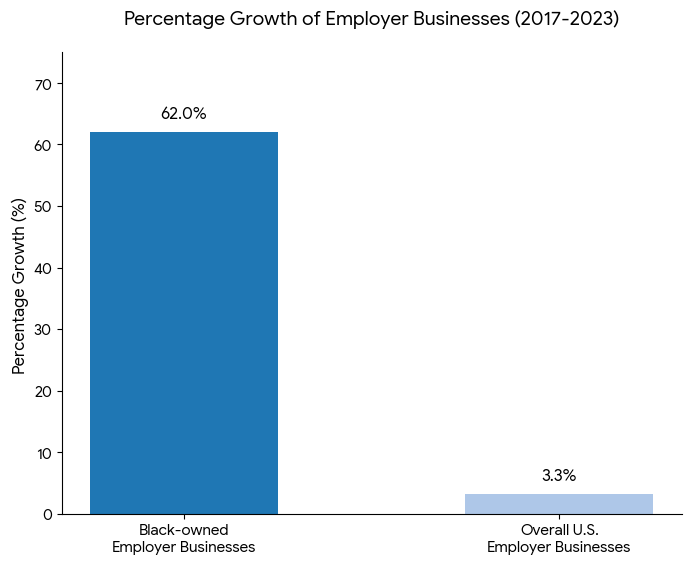
The COVID-19 pandemic dealt Black-owned businesses a crippling blow initially. But in the years since, new Black business creation has sparked a surge that topped pre-pandemic levels. Today, Black-owned businesses claim a little more than 3% of U.S. total businesses–up roughly from 2%.


On the 25th Anniversary of 9-11, America Remembers

Why Most Black Americans Think Nolan Wells’ Death and Two Recent Hangings Are Murder

August is Black-owned Business Month, and There’s Good News


-
 Black History7 years ago
The Idlewild Resort: Once the Largest, Most Successful Resort in the Midwest for Black People
-
 Black History8 years ago
Meet Sarah Boone, the Woman Who Patented the Ironing Board
-

 Black History6 years ago
Charles Baker: African American Inventor of Friction Heat
-
 Black History7 years ago
Auburn Avenue: The Richest “Negro Street in the World”
-
 Black History7 years ago
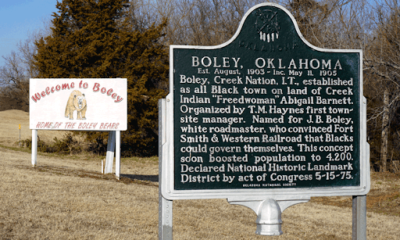
Boley, Oklahoma: One of the Last All-Black Towns Still Standing
-
 Black History8 years ago
Meet Elijah McCoy: The father of Lubrication, the Real McCoy
-

 Black History11 years ago
Ursula Burns, From Intern to CEO
-
 Black History6 years ago
Five Facts to Know About the Civil Rights Act of 1964 on its Anniversary