
Featured
White House Sends Memo That Appears to Cancel Black History Month

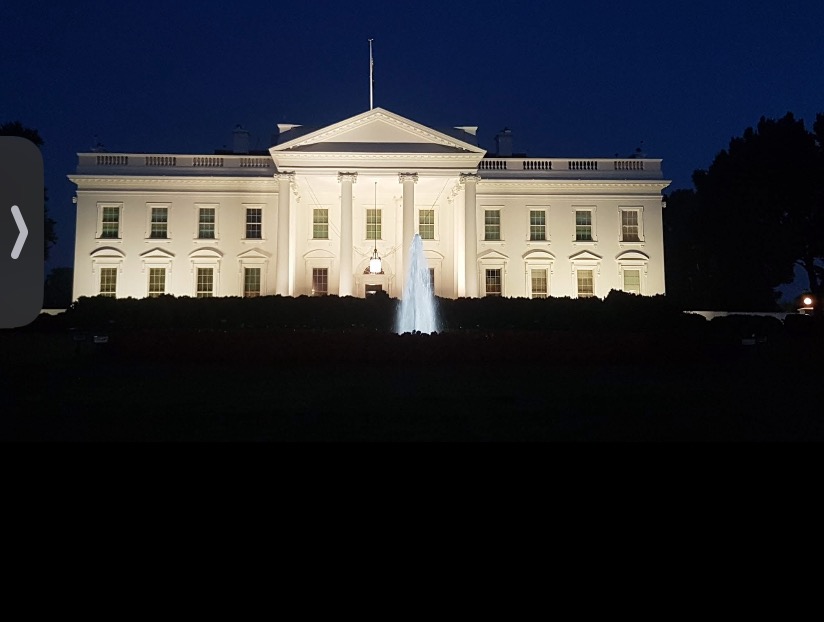
During the presidential campaign, one of the Democrats and Vice President Kamala Harris’ rallying cry was, “We are not going back,” and at times when a victory at the polls beckoned, a return to the days when Black Americans and other minorities were consistently marginalized seemed unlikely. But within the first two weeks of his second chance in the White House, Donald Trump has already dealt a crippling blow to decades-old civil rights legislation that provided equal access to employment for Black Americans. And now, it seems Black History Month is the next casualty.
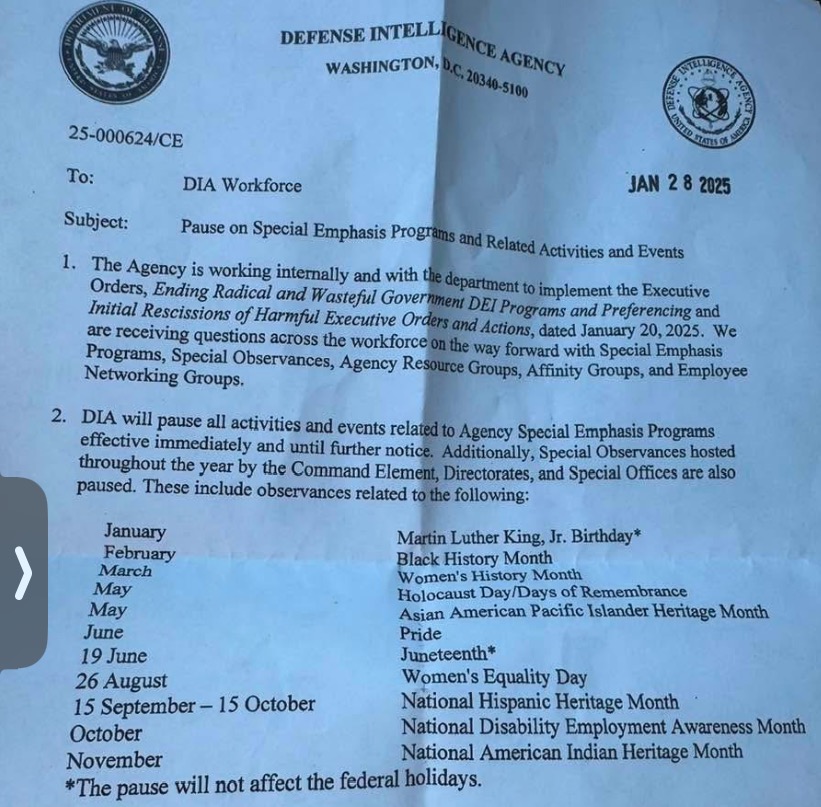
The February-long celebration of the achievements of Black Americans has been caught in the crosshairs of Trump’s ban on diversity, equity and inclusion. A White House memo sent to federal employees states that agencies will “pause all activities and events related to Agency Special Emphasis Programs effective immediately and until further notice.” The memo lists Black History Month, Women’s History Month, Asian American Pacific Islander Heritage Month, Pride, Holocaust Day/Days of Remembrance, National Hispanic Heritage Month and National American Indian Heritage Month.
During a press conference, press secretary Karoline Leavitt said, “As far as I know, this White House certainly still intends to celebrate, and we will continue to celebrate American History and the contributions that all Americans – regardless of race, religion or creed – have made to our great country.”
Origins of Black History Month
Dr. Carter G. Woodson, a historian and author, introduced the idea of recognizing the achievements of Black Americans in 1915 when he founded the Association for the Study of Negro Life and History which is known today as the Association for the Study of African American Life and History. Through ASALH, Woodson established Negro History Week in February 1926, choosing February because it was the birthday month for Frederick Douglass and Abraham Lincoln. With a vast network of colleagues and friends, Woodson prompted Black History Week until it became nationally known.
In 1975, President Gerald Ford became the first president to share a message recognizing Black History Week. He urged all Americans to “recognize the important contribution made to our nation’s life and culture by black citizens.”
In 1986 Congress passed Public Law 99-244 which designated February 1986 as ‘National Black History Month.’ The law also directed the president to issue a proclamation calling on Americans to join the observation with festivities and celebrations. President Ronald Reagan, also a Republican, issued a proclamation, stating “the foremost purpose of Black History Month is to make all Americans aware of this struggle for freedom and equal opportunity.”
It’s been 40 years since the first president embraced an invitation to applaud the accomplishments of Black Americans, and now a tradition honoring generations of Americans whose narrative includes enslavement, injustice and resilience on American soil may be erased.


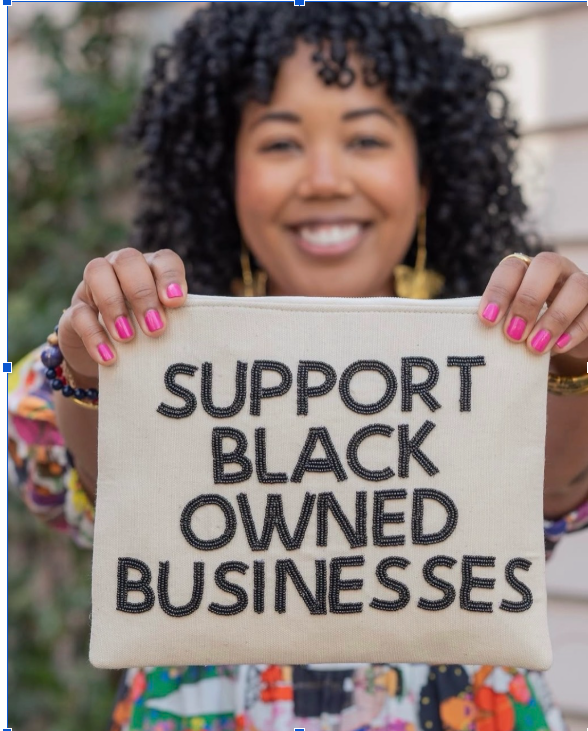
Thousands of Black-owned businesses know August holds a special place on the calendar for building brand awareness and increasing traffic. Since 2004, August has stood tall as Black-owned business month.
In Charleston, the owners of the boutique, Tiny Tassel, posted a discount on social media for customers, writing, “We’re celebrating in the best way possible by helping you save while supporting incredible Black-owned businesses across the Lowcountry!”
The African American Entrepreneurs Association used social media to remind members of its selection as the U.S. Small Business Association’s 2025 Community Partner of the Year. AAEA also repeated its commitment “to empowering entrepreneurs with the resources, education, connections, and advocacy they need to grow and thrive.”
Black-owned employer businesses, which have at least one employee, have moved the needle substantially the past six years to a milestone achievement.
According to the Brookings Institute, the number of Black-owned employer businesses increased 62% in 2023–a dramatic uptick compared to the overall rise of employer-businesses in the U.S., which was reported at 3.3%.
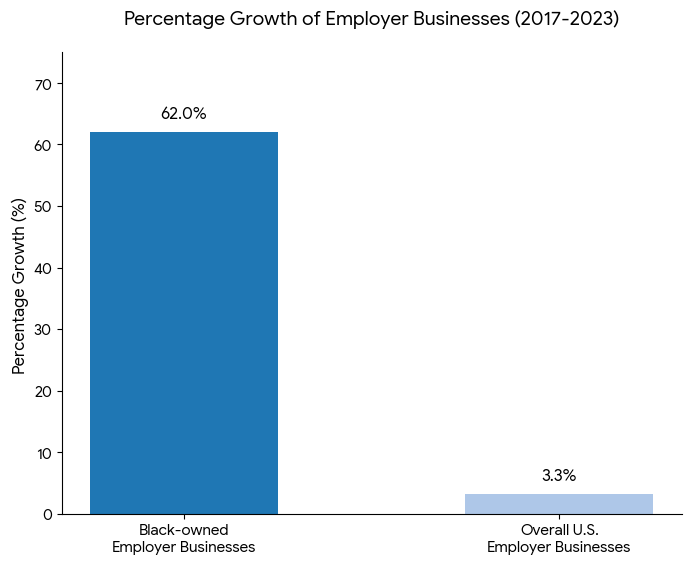
The COVID-19 pandemic dealt Black-owned businesses a crippling blow initially. But in the years since, new Black business creation has sparked a surge that topped pre-pandemic levels. Today, Black-owned businesses claim a little more than 3% of U.S. total businesses–up roughly from 2%.


On the 25th Anniversary of 9-11, America Remembers

Why Most Black Americans Think Nolan Wells’ Death and Two Recent Hangings Are Murder

August is Black-owned Business Month, and There’s Good News


-

 Black History7 years ago
The Idlewild Resort: Once the Largest, Most Successful Resort in the Midwest for Black People
-

 Black History8 years ago
Meet Sarah Boone, the Woman Who Patented the Ironing Board
-

 Black History6 years ago
Charles Baker: African American Inventor of Friction Heat
-

 Black History7 years ago
Auburn Avenue: The Richest “Negro Street in the World”
-
 Black History7 years ago
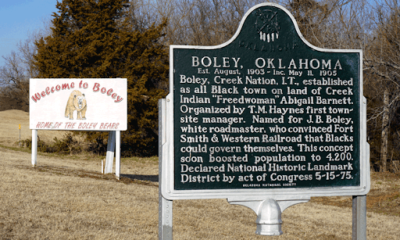
Boley, Oklahoma: One of the Last All-Black Towns Still Standing
-
 Black History8 years ago
Meet Elijah McCoy: The father of Lubrication, the Real McCoy
-

 Black History11 years ago
Ursula Burns, From Intern to CEO
-
 Black History6 years ago
Five Facts to Know About the Civil Rights Act of 1964 on its Anniversary