Connect with us

Featured

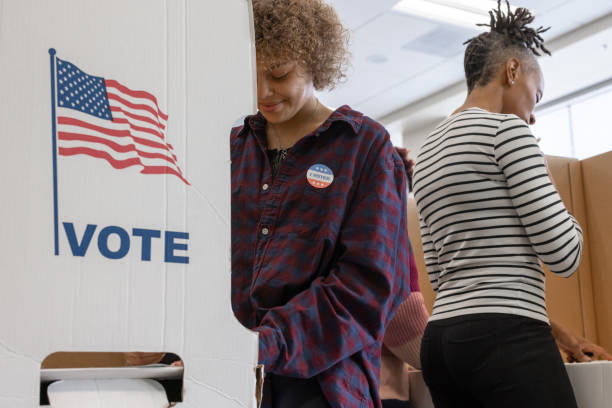
Donald Trump Wins the White House, Dashing Hopes for First Black Female President

Published

on

Millions of Black Americans had hoped to awaken the day after the 2024 presidential Election and find that Democratic candidate Kamala Harris had won the White House, making history as the nation’s first female president. But Donald Trump claimed the historical development as only the second president elected to non-consecutive terms.

“We made history,” Trump said to supporters at his campaign headquarters in Florida. “We overcame obstacles that no one thought possible.”

Trump’s victory included Republican control of the Senate and possibly the House of Representatives.

At a time when America is bitterly divided, the president-elect said, “We have country that needs help very badly.”

Democrats began reevaluating the trajectory of the 2024 presidential election.

Dr. Ray Winbush, Director of the Institute for Urban Research at Morgan State, said, “I thought the Blue Wall would hold.”

The Harris campaign believed it could win swing states Michigan, Wisconsin and Pennsylvania which are known as the “Blue Wall.”

Winbush added, “Harris only had 100 days to put together a national campaign.” He and other political pundits suggest Democrats’ chances of winning might have been much greater if President Joe Biden had decided to withdraw from the race a year ago.

For Black Americans and the rest of the country, Winbush described Trump’s win as “the darkest day in America” since Fort Sumter was fired upon, which was the start of the Civil War, and he believes there will be deep regret.

“The Germans regretted, within six months, that they had voted for Hitler,” Winbush explained.

Trump has been criticized for his praise of Adolf Hitler and other fascist leaders.

As the election evening wound down and the results showing a “red wave” were announced, Trump told his supporters that they have an “unprecedented and powerful mandate.”

Vice-President Kamala Harris is expected to deliver a speech to her supporters later today.

Continue Reading

Featured

On the 25th Anniversary of 9-11, America Remembers

Published

on

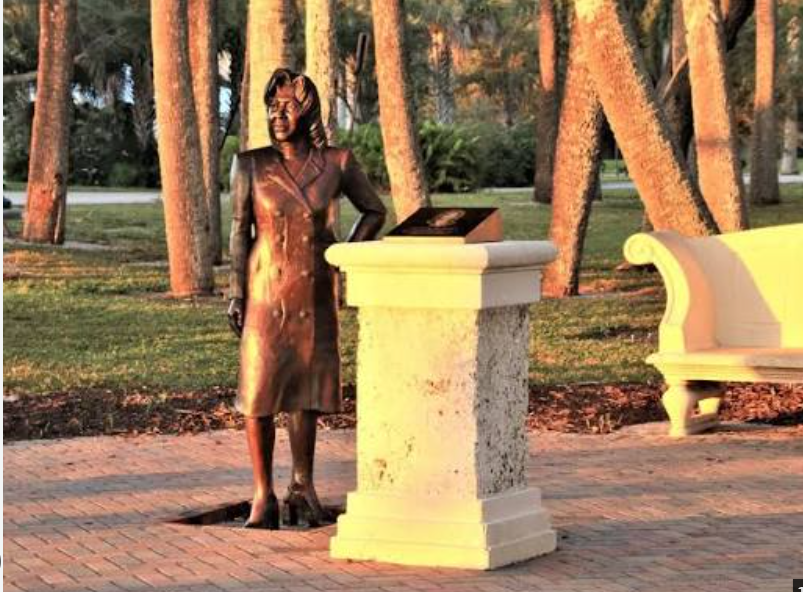
All around America, there are tributes to the victims of 9-11. A statue of Fort Pierce, Florida native, CeeCee Lyles, stands on the river walk. Nine years ago, a family member joined TheVillageCelebration’s founder, Vickie Newton, to share the family’s profound loss and thoughts about Ms. Lyles’ final moments as a flight attendant on board the plane that crashed in Shanksville, Pennsylvania, after passengers fought the hijackers to prevent the plane from reaching Washington, D.C. 


Continue Reading

Featured

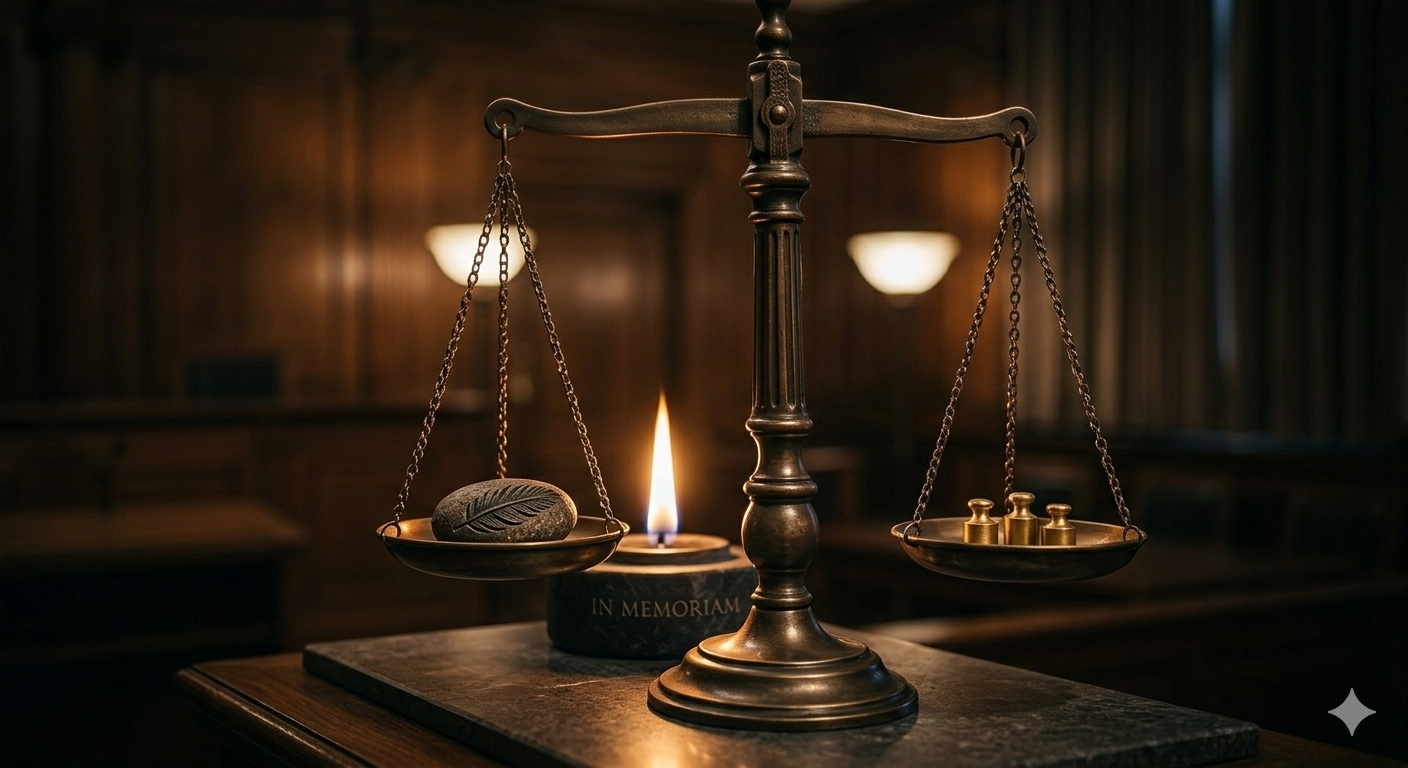
Why Most Black Americans Think Nolan Wells’ Death and Two Recent Hangings Are Murder

Published

on

For Black Americans, the summer’s most prominent news headlines seem to revisit an era defined by violence and chronicled in history books. 

Yet, in May, a 16 year-old teenager in Charlotte, North Carolina, was found hanging from a tree near a churchyard. Juliana Nzita’s family disagrees with the medical examiner’s ruling that the teen died by suicide.

Mississippi college student, Nolan Wells, went missing after he spent July 4 boating on Horn Island with a group of white friends–only to be found two days later face down in the water. His family hired famed civil rights attorney Ben Crump, and a grand jury has been convened.

On August 3, police found the body of 29-year-old Tasia Fortune hanging from a tree near an abandoned house; she was found hanging so high up in the tree rescuers used a fire department ladder to reach her body.

News outlets, social media, and many Americans continue to follow the developments, and many Black Americans are crying foul, seeing a familiar and disturbing historical pattern.

“I believe these are murders, and they are a form of messaging,” said Ray Winbush, who is a research professor and leads the Institute for Urban Research at Morgan State University. 

New book traces history of lynchings

Winbush works with Stacy Patton, the author of the book, “Strung Up: How White America Learned to Lynch Black Children,” which will be released in October 2026.

Publishers Weekly gave Patton’s book a starred review, which she explained on her Substack “is one of the biggest prepublication endorsements a book can get.”

In its review, Publishers Weekly described the book as, “gripping,” and quoted Patton, writing the “Black child has always been central to America’s racial order… as a target.” 

Winbush expanded on Patton’s study.

“The killing of Black people, in general, and Black children, specifically, is a ritual for White people that dates back centuries,” he added.

Continue Reading

Featured

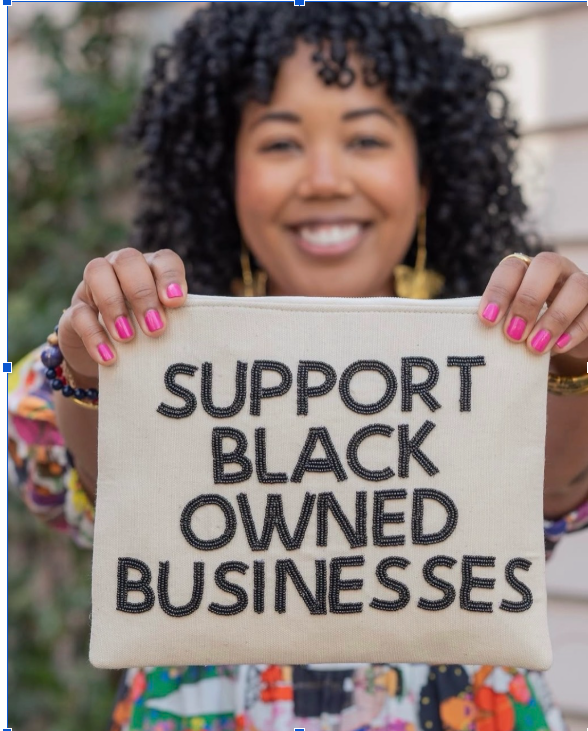
August is Black-owned Business Month, and There’s Good News 

Published

on

Thousands of Black-owned businesses know August holds a special place on the calendar for building brand awareness and increasing traffic. Since 2004, August has stood tall as Black-owned business month.

In Charleston, the owners of the boutique, Tiny Tassel, posted a discount on social media for customers, writing, “We’re celebrating in the best way possible by helping you save while supporting incredible Black-owned businesses across the Lowcountry!”

The African American Entrepreneurs Association used social media to remind members of its selection as the U.S. Small Business Association’s 2025 Community Partner of the Year. AAEA also repeated its commitment “to empowering entrepreneurs with the resources, education, connections, and advocacy they need to grow and thrive.”

Black-owned employer businesses, which have at least one employee, have moved the needle substantially the past six years to a milestone achievement.  

According to the Brookings Institute, the number of Black-owned employer businesses increased 62% in 2023–a dramatic uptick compared to the overall rise of employer-businesses in the U.S., which was reported at 3.3%.
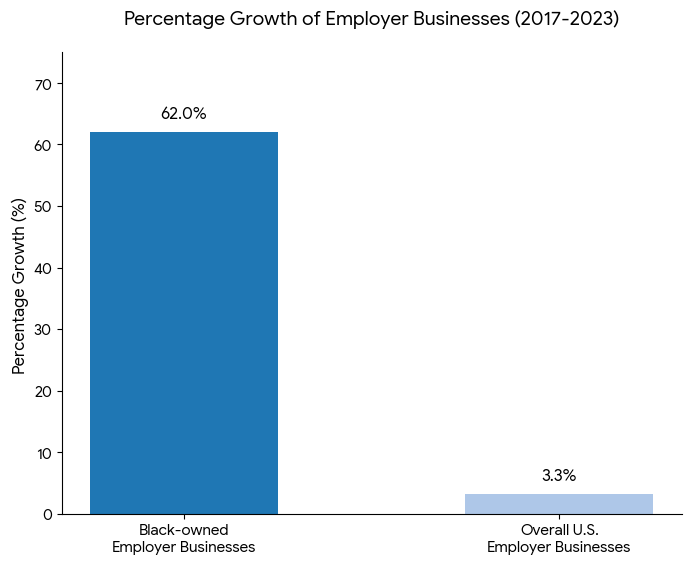
The COVID-19 pandemic dealt Black-owned businesses a crippling blow initially. But in the years since, new Black business creation has sparked a surge that topped pre-pandemic levels. Today, Black-owned businesses claim a little more than 3% of U.S. total businesses–up roughly from 2%.

Continue Reading

Trending

Copyright © 2026 Love Black History, powered by WordPress.